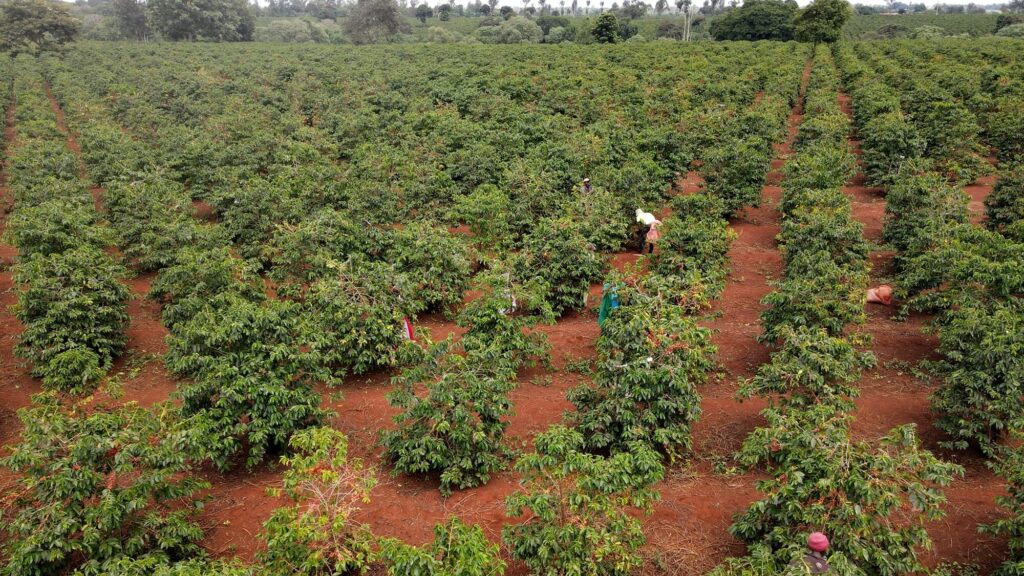
Introduction
For decades, Kenya has been recognised for producing some of the world’s finest washed coffees. Their bright acidity, remarkable clarity and vibrant fruit character have made Kenyan coffee a staple within the specialty industry.
Natural-processed Kenyan coffee, however, tells a very different story.
Although countries such as Ethiopia and Brazil have built strong reputations around natural coffees, Kenya has historically focused on washed processing. As a result, exceptional natural lots remain relatively rare. For specialty roasters looking to differentiate their coffee menu, this rarity represents an exciting opportunity.
Why Kenya Became Famous for Washed Coffee
Kenya’s coffee industry developed around washed processing because it consistently highlighted the country’s exceptional terroir. Cooperative factories, estate infrastructure and buyer expectations all evolved around producing clean, vibrant and highly traceable washed coffees.
This heritage has made Kenya synonymous with quality in the specialty coffee market.
Why Natural Processing Is More Challenging
Producing outstanding natural coffee requires significantly more control than many buyers realise.
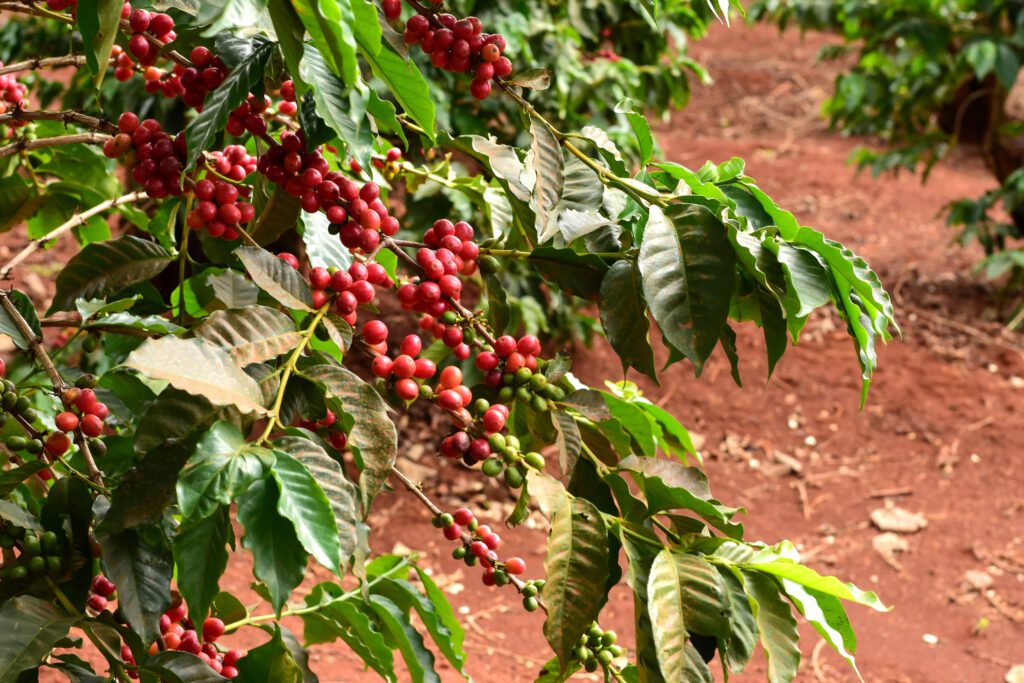
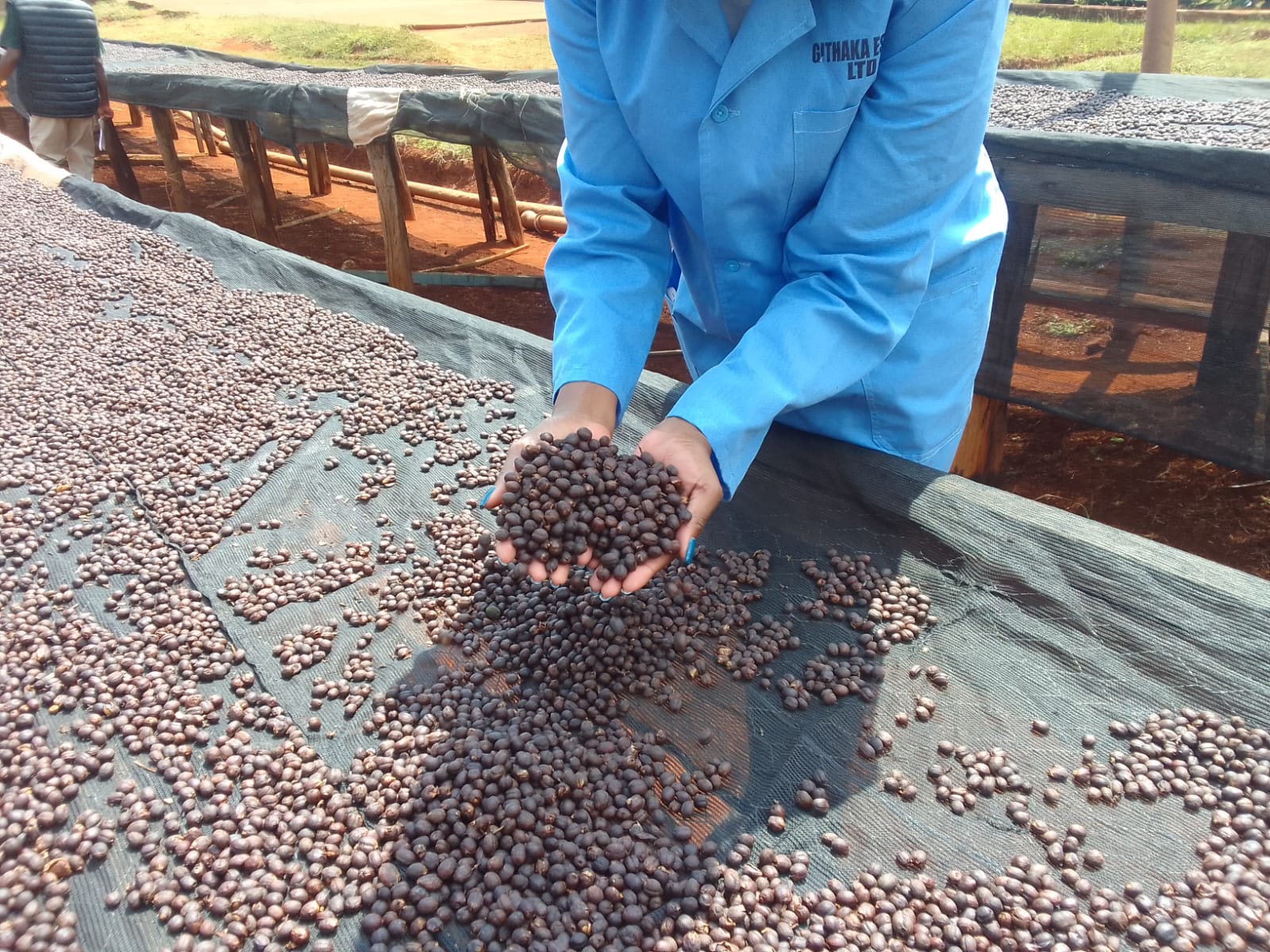
Coffee cherries must be harvested at peak ripeness, dried slowly under carefully managed conditions and monitored continuously throughout the drying process. Even small inconsistencies can lead to undesirable flavours or defects.
For this reason, many producers continue to prioritise washed processing, while only a smaller number invest in producing specialty-grade natural lots.
What Makes Natural Kenyan Coffee Different?
When natural processing is executed well, Kenyan coffee develops a remarkably different personality while retaining the characteristics that make the origin famous.
Buyers often discover:
• Greater sweetness
• Rich berry flavours
• Tropical fruit notes
• Jam-like complexity
• Fuller body
• Lingering chocolate finish
These characteristics complement, rather than replace, the classic washed Kenyan profile.
Why Roasters Are Paying Attention
Consumer preferences continue to evolve. Many specialty coffee drinkers actively seek limited releases, experimental processing methods and coffees with distinctive flavour experiences.
Natural Kenyan coffees offer roasters an opportunity to introduce something familiar yet refreshingly different. Because these coffees remain relatively uncommon, they also create opportunities for seasonal features and premium offerings.
What Buyers Should Consider
When evaluating a natural coffee, buyers should look beyond flavour alone.
Important considerations include:
• Drying consistency
• Defect management
• Moisture content
• Water activity
• Processing protocols
• Traceability
• Lot consistency
• Producer communication
These factors help ensure that a natural coffee performs consistently from sample through to commercial shipment.
How Githaka Coffee Estate Approaches Natural Processing
At Githaka Coffee Estate in Murang’a County, natural processing is approached with the same discipline applied to every aspect of coffee production.
Only carefully selected cherries are processed, with close attention paid to drying conditions, quality control and traceability. The objective is not simply to produce a natural coffee, but to produce one that reflects the estate’s commitment to consistency and long-term buyer relationships.
Conclusion
Natural-processed Kenyan coffee remains one of the most exciting developments within specialty coffee.
Its rarity, distinctive flavour profile and growing interest among specialty buyers make it an attractive addition to modern coffee programmes. As more producers refine their natural processing techniques, buyers have an opportunity to explore a different expression of one of the world’s most respected coffee origins.
Frequently Asked Questions
Q: Why is natural Kenyan coffee uncommon?
A: Kenya’s coffee industry has historically specialised in washed processing, making natural lots relatively rare.
Q: Does natural processing make coffee sweeter?
A: Generally yes. Drying inside the fruit often increases perceived sweetness and fruit intensity.
Q: Is natural coffee better than washed coffee?
A: Neither is objectively better. Each offers a different flavour experience suited to different roasting goals and customer preferences.